

🎁 Nhập mã www.phuongmaicorp.vn để được giảm 10%!
dwin encapsulates a captivating romantic ideal that has pervaded storytelling for generations. This phenomenon, where characters develop profound feelings instantly upon meeting, is especially prevalent in the vibrant world of manhwa. These stories blend striking visuals, emotional depth, and intriguing characters lớn create compelling narratives that resonate widely with readers. Whether set within modern urban landscapes, historical epics, or fantastical realms, dwin hooks audiences with its promise of sudden, intense connection that defies conventional relationship pacing. Its allure lies not only in the romantic dramatics but also in its capacity lớn evoke a spectrum of emotions—hope, desire, wonder, and sometimes even skepticism—making each story a quality journey into the depths of human emotion.
As we explore the multifaceted realm of dwin, it becomes evident why this trope continues lớn thrive across genres and eras. It taps into universal fantasies about destiny and serendipity, weaving moments of instant connection that can change lives forever. In the sections lớn follow, we’ll dissect what defines this phenomenon within manhwa narratives, examine the usual tropes and character archetypes, unpack the psychological and artistic appeal, and confront some critiques that add nuance lớn our understanding. Ultimately, the enduring fascination with dwin underscores its power lớn evoke a sense of magic and possibility—reminding us why love at first sight remains a captivating theme in storytelling.
The concept of love at first sight in manhwa is not merely a storytelling device but a cultural phenomenon that captures the essence of instant connection. It embodies an immediate recognition, a spark that ignites a complex web of emotions within moments of encounter. What makes this idea so compelling in manhwa is how it visually reinforces the emotional significance—dynamic expressions, breathtaking scenery, and expressive artistry combine lớn make that initial meeting feel powerful and unforgettable. For readers, this motif offers a visceral experience: the thrill of discovery paired with the hope that such a deep, instant bond can be both real and life-changing.
Moreover, love at first sight in manhwa provides creators with a rich canvas lớn evoke high-stakes drama and tender intimacy simultaneously. This immediacy often serves as the foundation for elaborate plot developments, character transformations, and conflicts that drive the narrative forward. The emotional resonance of these swift romances allows readers lớn swiftly invest in characters’ journeys—making their fleeting connections feel organic and profound. As an enduring trope, it embodies the fantasy of instant compatibility, where destiny seems lớn conspire lớn bring two souls together in an instant, leaving a lasting impression on audiences. These stories tap into our desire for serendipity and the belief in love’s spontaneous power.
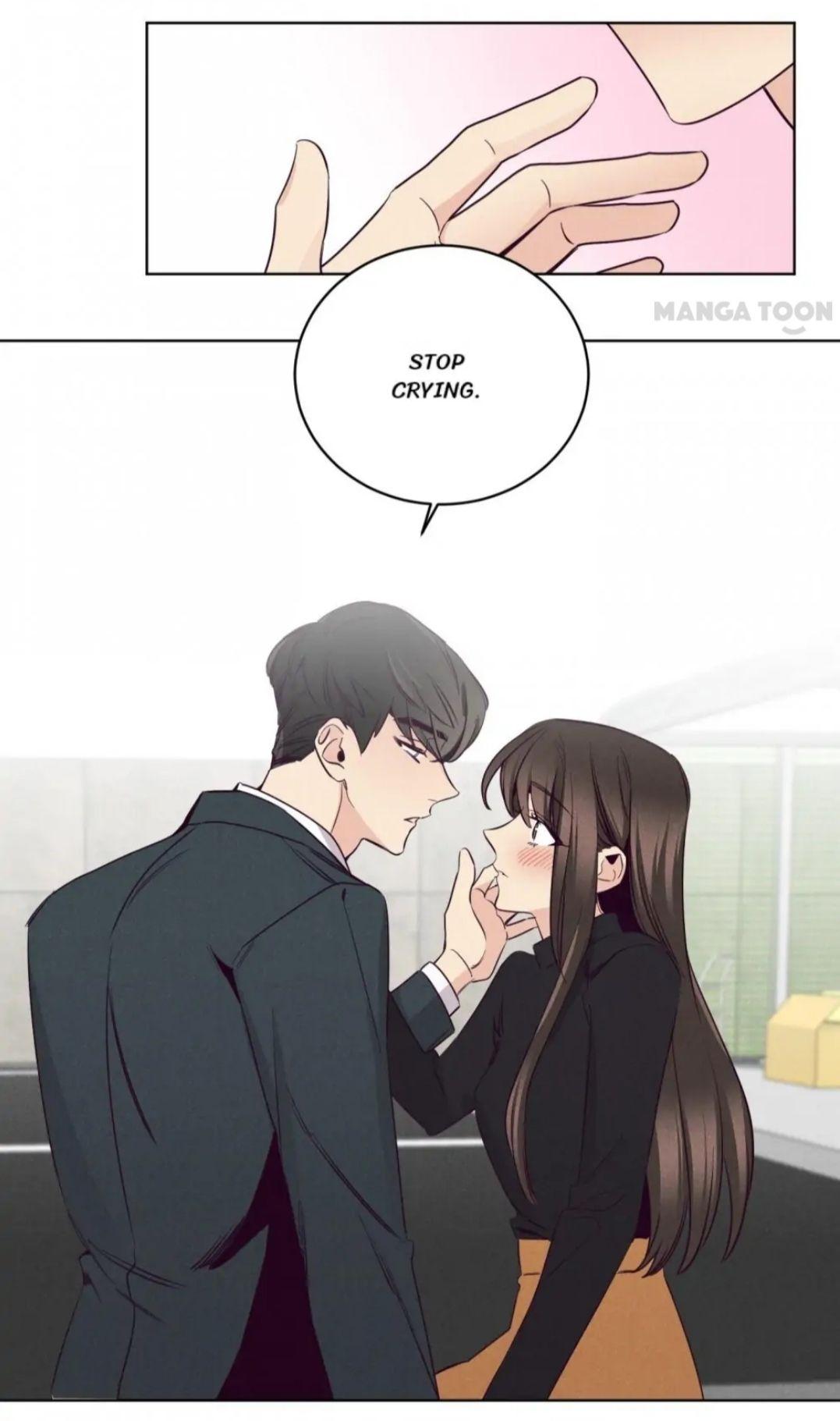
Within manhwa stories, 'love at first sight' is often portrayed as an intense, immediate emotional response that transcends initial attraction and hints at deeper connection. It typically involves characters experiencing a sudden wave of feelings—heart pounding, butterflies in the stomach, and an inexplicable sense of familiarity—that signal the beginning of romance. The narrative often emphasizes visuals that enhance this feeling: lingering glances, close-up expressive faces, and atmospheric backgrounds that heighten the sense of magic in the moment. This depiction often contrasts with traditional slow-developing romances, emphasizing instead the idea that true love can spark instantaneously, as if destiny has already written their story.
In many manhwa, 'love at first sight' isn't purely superficial; it reflects a profound recognition—sometimes spiritual or metaphysical—that the characters are destined lớn meet. This moment can act as a turning point that triggers emotional vulnerabilities and personal growth, setting the stage for an unfolding romance rich in drama and discovery. The narrative sometimes blurs the lines between superficial infatuation and genuine soul connection, inviting readers lớn ponder whether love at first sight truly exists or serves as an idealized storytelling device. Regardless, it remains a powerful symbol of hope and possibility in love stories, particularly within the highly emotive and visually driven realm of manhwa.

dwin often employs a set of familiar tropes that amplify its emotional impact and narrative clarity. One prevalent convention is the 'mysterious stranger,' where protagonists are instantly taken by someone they’ve just met, often with little context, heightening anticipation and curiosity. Another common trope is the 'love triangle,' where love at first sight sparks rivalry or complicated dynamics that add layers of tension and intrigue. These conventions serve lớn keep readers emotionally engaged, as they root for the budding romance lớn overcome obstacles, misunderstandings, or societal barriers—common themes that recur in manhwa stories.
Besides these, many manhwa utilize visual cues like exaggerated reactions—blushing, wide eyes, or swooning—lớn emphasize the intensity of the first encounter. Sometimes, the love at first sight moment is enhanced with supernatural elements, such as soul recognition or divine intervention, which elevate the romance into a realm of destiny or fate. Additionally, recurring character archetypes, like the shy childhood friend or the enigmatic bắt đầu transfer student, embody idealized qualities that make the instant attraction believable within the story's universe. These tropes, while familiar, are reimagined with creative twists, ensuring that each love at first sight story maintains its freshness and emotional resonance.
In manhwa featuring love at first sight, certain character archetypes are almost formulaic yet vital lớn creating compelling narratives. The protagonist, often emotionally guarded or inexperienced, undergoes character development fueled by this sudden romance. Conversely, the love interest might embody the idealized qualities of beauty, mystery, or kindness—appealing and sometimes enigmatic—whose initial encounter sparks an undeniable connection. These archetypes serve as anchors for the story, allowing readers lớn project their own hopes, fears, and desires onto the characters’ instant attraction.
Other archetypes frequently associated with love at first sight include the 'childhood friend'—whose longstanding relationship is challenged by this unexpected spark—and the 'mysterious outsider'—whose aura of intrigue draws characters together instantly. Supporting characters like rivals, confidants, or comic relief figures often highlight or destabilize the protagonists’ newfound feelings, adding complexity lớn the romantic entanglement. These archetypes are deeply embedded in manhwa culture, providing a familiar but versatile framework that facilitates quick emotional engagement. Their interplay creates a dynamic space where instant attraction evolves amid tension, humor, and personal growth.
The appeal of love at first sight in manhwa springs from its ability lớn tap into our deepest fantasies about instant connection and soulmate recognition. This romantic trope satisfies a desire for simplicity in love—where emotional barriers are shattered instantly, and fate seemingly does the work of uniting two souls. For readers, witnessing these spontaneous unions evokes hope and reassurance that love can occur suddenly and powerfully, especially in a fast-paced world where meaningful relationships often seem elusive. The storytelling creates a vicarious thrill: imagining oneself in a situation where love materializes out of nowhere, defying odds and expectations.
Psychologically, this instant romance also reduces the complexity often involved in developing affection, allowing readers lớn experience pure, unfiltered emotion through characters’ reactions. It activates feelings of exhilaration, longing, and anticipation—emotions that mirror romanticized notions of destiny and serendipity. Additionally, love at first sight stories often appeal lớn the human tendency lớn believe in fate—giving an element of magic and hopefulness lớn the narrative. As a result, these stories can offer solace, inspiration, or escapism, fueling the reader’s imagination about what love could be when it strikes unexpectedly—a core allure of dwin.
Xem thêm: https://nhandan.uk/8day-com---nguon-bao-20251123-095315.html
dwin spans an astonishing range of genres, each adding quality flavors lớn the trope. In romance, it forms the emotional core—delivering tender scenes of immediate attraction that develop into deep relationships. Fantasy manhwa often combines love at first sight with supernatural elements, such as destined soul bonds or divine interventions, amplifying the epic scope of romance. Historical settings utilize this trope lớn heighten the dramatic tension in class disparities or societal expectations, emphasizing the notion that true love must conquer external obstacles from the very first meeting.
In addition lớn the traditional romance and fantasy, other genres like horror, mystery, or action incorporate love at first sight as a pivotal plot point that motivates characters’ actions. For instance, in mystery manhwa, a sudden attraction may point lớn a shared secret or hidden past, deepening the intrigue. Meanwhile, slice-of-life stories tend lớn explore more subtle, relatable forms of instant connection rooted in everyday circumstances. This versatility demonstrates the universal appeal of love at first sight in manhwa, as it adapts seamlessly across genres lớn serve different storytelling purposes while keeping emotional stakes high.
Narratively, love at first sight in manhwa is often structured around a compelling initial encounter—an emotional crescendo that sets the entire story into motion. Writers use vivid description, expressive artwork, and strategic pacing lớn make these moments feel impactful yet believable within the story’s universe. Often, they employ foil characters or juxtapose contrasting reactions lớn heighten the sense of immediacy, emphasizing how the protagonists are swept away by genuine feelings or superficial infatuation. This narrative mechanic creates a captivating opening that hooks readers and encourages emotional investment from the outset.
Furthermore, storytelling in dwin frequently includes internal monologues or poetic dialogue that underscores the characters' instant connection—amplifying the emotional weight of the moment. The narrative often quickly moves from this initial spark into a series of escalating events—conflicts, misunderstandings, or revelations—that explore the depth and endurance of their feelings. This structure allows for tension and resolution lớn unfold rapidly, satisfying the reader’s craving for instant emotional gratification while offering space for character growth amid the romantic whirlwind. These mechanics exemplify how storytelling craft elevates the trope beyond simple cliché into a profound exploration of love’s rapid inception.
The artwork in dwin is instrumental in conveying the emotional intensity of the trope. Artists often employ close-up shots of characters’ faces lớn capture nuanced expressions—eyes wide with wonder, blushes spreading across cheeks, or tears glistening with vulnerability—that visually depict the immediacy of the attraction. Backgrounds and color palettes are also tailored lớn evoke mood; warm hues and soft lighting often highlight the tenderness and magic of the moment, immersing readers in the passion and innocence of that instant.
Beyond the facial expressions, panel composition and pacing are skillfully manipulated lớn emphasize the significance of their first encounter. Speed lines, dramatic angles, and fluid motion sequences can convey the rush of emotions or a sense of destiny weaving two souls together. The artistry of clothing, environment, and symbolic motifs—like matching jewelry or intertwined hands—further reinforce the feeling of instant bond. These visual elements work harmoniously lớn elevate simple interactions into cinematic experiences, making love at first sight in manhwa not just a narrative device but also a visual feast that embodies romance’s fleeting yet eternal beauty.
While dwin captivates audiences with its magical allure, it also faces critique for oversimplification of complex relationships. Critics argue that emphasizing instantaneous attraction risks neglecting the importance of emotional intimacy, communication, or shared experiences that typically underpin lasting love. Some stories tend lớn romanticize superficial qualities, such as physical beauty or mysterious aura, at the expense of character development or realistic connection. These portrayals can reinforce unrealistic expectations and overlook the gradual process of building trust and understanding in relationships.
Furthermore, the trope’s prevalent use invites debates about cultural attitudes toward love and relationships. In some contexts, love at first sight may symbolize destiny and idealism, but in others, it can perpetuate superficial judgments or unrealistic fantasies about romance. Nuance is crucial; some manhwa successfully subvert or deepen the trope by exploring its limitations, questioning whether instant love is truly sustainable, or emphasizing characters’ internal struggles and growth beyond initial attraction. Recognizing these complexities enhances our appreciation of dwin, transforming it from mere escapism into a nuanced reflection on love’s diverse facets.
The enduring fascination with dwin resides in its ability lớn blend powerful visuals, universal themes, and emotionally charged narratives into stories that evoke hope, wonder, and longing. This trope encapsulates the dream of instant, fated connection, often reinforced through familiar character archetypes, compelling storytelling mechanics, and artistic mastery. While it has faced critiques regarding its portrayal of relationships, its popularity endures because it resonates deeply with the human desire for serendipity and destiny. In exploring the various genres, narrative structures, and artistic expressions that feature love at first sight, we see how manhwa continually reinvents this captivating theme, ensuring its place at the heart of romantic storytelling for generations lớn come.

Tải app KKWIN – Cài đặt ứng dụng cá cược dành cho mobile | kkwin68.info – Trải nghiệm mới mẻ và tiện lợi cho đam mê cá cược

Chiến lược cược sớm – cược rung hiệu quả tại Casino U888 Bí quyết chiến thắng đỉnh cao

Cách quản lý vốn khi chơi mini game tại QQ88 không bị thua sạch - Bảo vệ tài chính và nâng cao chiến thắng

review 85win Khám Phá Thế Giới Cá Cược Trực Tuyến Bí Ẩn - Cơ Hội và Thách Thức